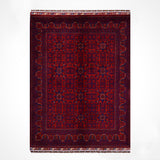
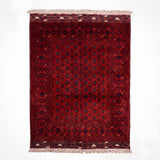
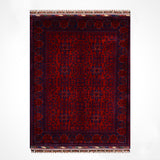
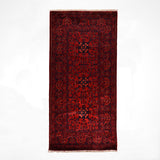
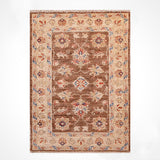
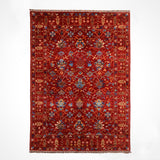

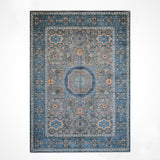
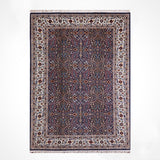

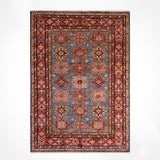
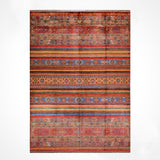
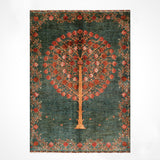
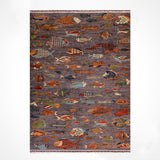
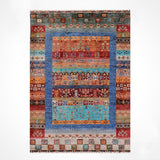
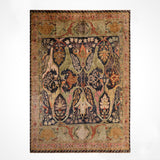

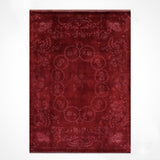
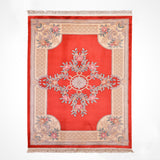


The Pazyryk Carpet, as the oldest known Turkish carpet, represents a unique heritage extending from Central Asia to the present day. Adorned with rich symbols, this historical pattern adds depth to living spaces, offering both a cultural value and an aesthetic touch.
Pazyryk Rugs


The Pazyryk Rug has secured a firm place in history books as one of the oldest and most important examples of the Turkish rug-weaving tradition. With roots going back to the 5th century BC, about 2,500 years ago, this unique rug is an elegant reflection of both Turkic culture and the nomadic way of life. Found in 1949 during excavations at the Pazyryk Kurgans in the Altai Mountains, this rug has come down to us as one of the finest examples of the aesthetic sense and technical skill of Turkic peoples throughout history.
How Can You Tell an Original Pazyryk Rug?
An original Pazyryk Rug is distinguished by being woven with hand-tied knots and by colours obtained from natural dyes. Irregularities in the knots on the back (traces of handwork not seen in machine weaving) and the symbolic depth of the motifs (mounted horsemen, griffins, four-petalled flowers) are important clues. Distinguishing features of original Pazyryk Rugs also include fine double-twisted wool yarns and fringe that is a natural extension of the weave (not sewn on).
The Artistic Richness and Deep Meaning of the Pazyryk Rug
With its motifs, the Pazyryk Rug not only has aesthetic value but also offers important information about the belief systems and social structure of its time. The figures on the rug, mounted horsemen, mythological animals and geometric patterns, symbolise the lives, struggles and religious beliefs of the nomadic peoples of Central Asia. Mythological animal figures in particular stand out as powerful symbols of these peoples' relationship with nature and the universe. These motifs turn the rug from a mere decorative item into a carrier of culture and history.
While embodying the art and aesthetics of its time in every detail, the Pazyryk Rug also bears the traces of nomadic culture. The details in the rug's design represent the strong bond these peoples formed with nature and their surroundings, their mobility and their resilience.
Weaving Technique
One of the most striking features of the Pazyryk Rug is the weaving technique used. The rug was woven with the traditional 'Gördes knot', also known as the symmetrical knot. This technique is one of the most fundamental elements ensuring the rug's strength and long life. Both aesthetically and in terms of durability, the Gördes knot preserves the rug's structural integrity and makes it resistant to wear and deterioration over time. This feature is one of the main reasons the Pazyryk Rug has survived intact for thousands of years.
This unique technique, created by tying each knot carefully by hand, allowed every motif to be worked in detail and elegantly. Even today this weaving technique is considered one of the most fundamental elements of traditional Turkish rug weaving.
Choice of Material and Colour
The Pazyryk Rug was hand-knotted entirely from wool yarns, and the quality of the materials ensures its durability. By its nature, wool offers an aesthetically rich texture and contributes to the rug's long life. The colours in the Pazyryk Rug were obtained entirely from natural dyes. The use of these natural dyes helped the rug's colours keep their vibrancy, with no fading or deterioration over time. Even centuries later, the colours in the rug have stayed fresh and vivid, increasing the cultural and artistic value of the Pazyryk Rug.
What Do the Motifs on the Pazyryk Rug Mean?
The motifs on the Pazyryk Rug carry a symbolic language reflecting the nomadic way of life, religious beliefs and mythological elements of Central Asian Turkic culture. The deer figures are regarded as celestial beings in Turkic mythology and are believed to carry souls to the afterlife. The mounted horsemen are interpreted as a symbol of nomadic life and warrior identity, while the knotted tails of the horses are a detail documenting the daily practices of the Huns.
The four-petalled flower motifs and lotus ornaments in the centre of the rug are associated with fertility and the cycle of life. The griffins in the geometric borders (eagle-headed lions) act as protective talismans, forming a shield against evil spirits. The Turkic star motif is also thought to represent universal order and the directions.
All these motifs carry the artistic and religious codes of the steppe culture of the 5th century BC, forming both an aesthetic and functional whole.
Which Plants Were the Natural Dyes in the Pazyryk Rug Made From?
The natural dyes used in the Pazyryk Rug were prepared by traditional methods from the roots, leaves, bark and fruit of plants in ancient times. The main colour sources are:
- Red: Obtained using Rubia tinctorum (madder) and cochineal (the red insect). The alizarin pigment in the roots of the madder plant is the main source of this colour.
- Blue: Created with pigment extracted from the indigo plant (Indigofera tinctoria).
- Yellow: Plants such as onion skin, turmeric and chamomile were used.
- Brown/Black: Produced using walnut husk and the cups of the valonia oak.
- Green: Obtained by mixing yellow and blue dyes.
In addition, yellow tones came from spurge, reddish colours from pomegranate peel and supporting tones from rose petals. These dyes were boiled with the wool yarns to fix the colour, giving durability for thousands of years.
The Pazyryk Rug and Its Modern Reflections
Today at Art Doku Halı, we continue to bring this unique heritage into modern living spaces. We combine the Pazyryk Rug's traditional weaving techniques and aesthetic sense, dating back 2,500 years, with contemporary interior design to make them fit modern life. Each of our rugs is carefully hand-knotted by our master weavers. This allows us to offer products of high quality both aesthetically and functionally.
At Art Doku Halı, we integrate motifs inspired by the Pazyryk Rug into our modern designs in rugs made with natural materials. The 100% wool yarns and natural dyes used in our hand-knotted rugs let us make products that are eco-friendly and healthy. The modern rugs we design inspired by the historic motifs of the Pazyryk Rug bring both aesthetic and cultural richness to your interiors.
Why Art Doku Halı?
- Hand-Knotting Precision: At Art Doku Halı, we place great importance on our master weavers weaving every rug with fine workmanship and traditional techniques. Each rug is a work of art blending traces of the past with modern design.
- Natural Materials: Using natural dyes and 100% wool yarns, we produce rugs that are both healthy and durable. These materials ensure our rugs keep their aesthetic value for many years.
- Beauty and Function: The rugs we design inspired by the Pazyryk Rug's motifs add a historic touch to modern interiors. Both visually beautiful and functionally excellent, our rugs will completely change the atmosphere of your living spaces.
Sort