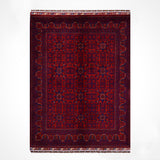
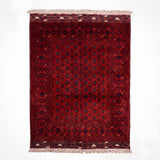
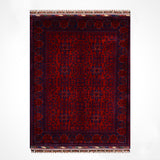
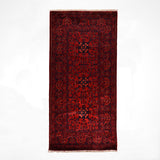
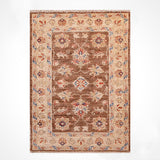
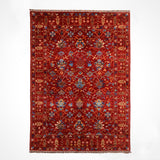

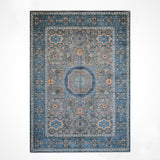
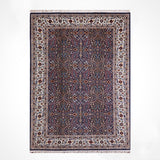

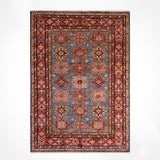
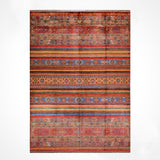
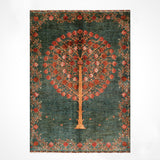
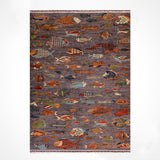
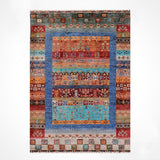
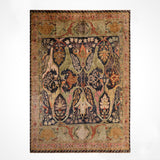

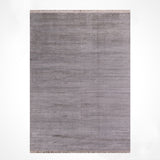
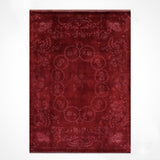
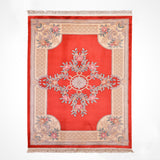


Standing out with their natural structure, wool rugs offer long-lasting use thanks to their soft texture and high durability. Providing thermal insulation and comfort, these rugs bring both warmth and natural elegance to living spaces.
Wool Rugs


Wool rug models combine traditional hand-knotting techniques with modern designs to add style and warmth to your home. With their natural, durable structure, wool rugs offer long-lasting use and create an elegant atmosphere in any space. Hand-knotted wool rugs appeal to different styles with unique patterns and colours produced by master weavers with fine workmanship. Wool rug prices vary according to the quality of materials and workmanship. Discover hand-knotted wool rug models that combine beauty and comfort, with high quality at affordable prices. Original, elegant options that will add value to your home await you.
What Is a Hand-Knotted Wool Rug?
A hand-knotted wool rug is a type of rug woven by master weavers tying knots by hand on traditional looms, usually from 100% natural wool yarn. Every rug has unique patterns and textures thanks to the weavers' years of experience and creativity. In other words, no two hand-knotted wool rugs are the same. This unique workmanship gives the rug the status of a work of art, since every motif and colour is worked patiently by hand. The fibres used in hand-knotted wool rugs are usually natural materials such as wool, cotton or silk. These materials make the rugs warm, soft and durable. A wool rug adds an intimate feel to your space with its warmth underfoot, and aesthetically gives your home character with traditional motifs.
For example, rugs woven for centuries in Anatolian regions such as Afyon, Kayseri and Milas reflect a rich cultural heritage in which every motif and colour has its own meaning. To recognise an original hand-knotted rug you can look at the back; if the knot and yarn pattern on the back is asymmetrical and irregular, this is a sign of a genuine handmade rug. In machine-made rugs, by contrast, the back is usually regular and symmetrical. On the edges or pattern details of a hand-knotted rug you can see the care of the handwork and notice yarns of different thickness and vivid colour transitions achieved with natural dyes.
The History and Cultural Importance of Hand-Knotted Wool Rugs
The roots of hand-knotted rugs go back to the nomadic Turkic societies of Central Asia. The weaving tradition handed down through generations for centuries has diversified across regions to form today's rug culture. From Ushak rug motifs in Anatolia to the red-blue colour harmony in Persian rugs, from the classic textures of Afghan and Shirvan rugs to Kayseri and Malatya geometric patterns, there are many region-specific hand-knotting styles. For example, Milas hand-knotted rugs are known for their traditional 'çintamani' and geometric motifs, while Isparta rugs are known more for their love and evil-eye bead designs. Hand-knotted rugs, in which every motif and colour reflects the way of life and beliefs of the people of the region where they were woven, are therefore not just decorative items but cultural heritage and works of art.
Throughout history, hand-knotted rugs have been used everywhere from Ottoman palaces and Anatolian mansions to modern design homes. Hand-knotted rugs also carry the artistic sensibility, economic situation and social symbols of their time. Rare regional models in particular gain value over time and are bought by collectors at high prices; so a hand-knotted rug becomes a financial investment as well as a functional decorative object.
Hand-Knotted or Machine-Made? Key Differences
In daily life many people need to compare a hand-knotted rug with a machine-made one. The main differences between hand-knotted and machine-made rugs are:
-
Production: Hand-knotted rugs are made entirely by hand, with weavers tying knots one by one or weaving on a rug loom. Machine-made rugs, on the other hand, are mass-produced on automatic looms. So while every detail of a hand-knotted rug reflects the weaver's skill, patterns in machine-made rugs are standardised.
-
Material: Hand-knotted rugs usually use natural yarns (wool, cotton, silk). Machine-made rugs mostly use synthetic yarns such as polyester and acrylic. Natural materials give a hand-knotted rug softness, warmth and breathability, while synthetics are cheaper and stain-resistant.
-
Durability: A quality hand-knotted wool rug, properly cared for, can be used for generations. Thanks to high knot density and the elasticity of natural wool, it is long-lasting. Machine-made rugs, on the other hand, are usually moderately durable and may deform over time.
-
Price and Aesthetic Value: Hand-knotted rugs cost more than machine-made rugs because of their labour-intensive production and rarity. But this price difference comes back as unique design and collector's value. For example, a hand-knotted rug with a special pattern can gain antique value over time and become an investment. Machine-made rugs are more economical and offer a wide variety of patterns and colours, which is attractive for budget-conscious buyers.
-
Ease of Care: Machine-made rugs usually need more practical care; most models can be washed with water and resist stains. Hand-knotted wool rugs, by contrast, need special cleaning (details below). In this sense machine-made rugs may be more practical for daily use, but the long-term comfort and beauty of a hand-knotted rug are well worth it.
If you want to add a long-lasting, artistic piece to your home, a hand-knotted wool rug is an ideal choice. For those who want a natural, authentic atmosphere, hand-knotted rugs are indispensable. But if you are looking for a cheaper, faster solution and variety in decor is your priority, machine-made rugs are also worth considering.
Advantages and Features of Hand-Knotted Wool Rugs
Hand-knotted wool rugs have many notable advantages. Their main features and benefits are as follows:
-
Unique Designs and Artistic Value: Every hand-knotted rug is made by hand, so no two are alike. Created with the craftsman's expertise, the motifs come in a wide range from classic Ottoman designs to contemporary geometric models. So with a hand-knotted rug you add an original work of art to your home.
-
High Quality and Durability: Made from natural fibres (especially wool), these rugs last for generations with proper use. Models with high weave density keep their original beauty for many years. The elastic structure of wool fibre helps the rug recover; even if you put furniture on it, it springs back.
-
Natural Materials and Health-Friendly Structure: Hand-knotted rugs are usually made from natural materials such as wool, cotton and silk. These materials are both eco-friendly and healthy. Because they contain no synthetic materials or chemicals, they are ideal especially for people with allergies; wool fibres regulate moisture and keep the room fresh and healthy. Wool rugs are known for their natural air-purifying properties; they improve your home's air quality and create an anti-allergenic floor.
-
Heat and Sound Insulation: The thick texture of a wool rug keeps feet warm and reduces heat loss through the floor even on cold winter days. The natural elasticity of wool also contributes to sound insulation, so you can walk on the rug without your downstairs neighbours hearing much noise. This is a big advantage, especially in apartments.
-
Timeless Investment and Appreciation: Quality hand-knotted rugs gain value over time. Antique and rare models are in demand among collectors. So a hand-knotted rug can be seen not only as decoration but also as a long-term investment.
-
Easy Cleaning and Care: Hand-knotted wool rugs tend to stay clean by their structure. Quality knots keep dirt and stains from penetrating deep into the rug; regular dusting and dry cleaning when necessary ensure long life. The patterns and varied textures on the rug's surface fit naturally into any decor.
-
Eco-Friendly Production: Hand-knotted rug production relies largely on traditional methods, which lowers energy consumption. Choosing natural yarns and natural dyes means production that does not harm the ecosystem. So for environmentally conscious consumers, a hand-knotted wool rug is an important choice.
All these advantages turn hand-knotted wool rugs from mere decorative objects into functional, healthy and beautiful household items. Families with allergy problems in particular can safely benefit from the anti-allergenic properties of natural wool rugs.
Materials and Workmanship in Hand-Knotted Wool Rugs
The most important factor determining the quality of a hand-knotted wool rug is choice of materials and mastery. These rugs typically use pure wool; sometimes the yarn blend may also include cotton or silk. The advantage of wool is that it gives a warm, soft texture. Silk gives a brighter, finer look, while cotton yarn adds lightness. Each of these materials gives the rug different practicality and aesthetic value.
The yarn is carefully separated from the part called fleece, obtained from the long hairs, then cleaned and spun. This process increases the durability of pure wool. Hand-knotted rugs usually use natural dyes; natural dyes obtained from plants, roots or other organic sources give the rug vivid, deep colours. Traditional methods, such as indigo for navy and madder for red, are both pleasing to the eye and give long-lasting colour. Avoiding chemical dyes makes the rug safer for both the environment and the user's health.
The most common technique in weaving is the double knot. This knotting method wraps each fibre twice between the warp threads, creating a tight structure. The resulting rug is long-lasting and durable thanks to its tight weave. Master weavers take great care in placing each knot one by one; tools called shuttles are used in this process. A high number of warp and weft threads directly affects the rug's quality. Rugs with high weave density are more durable and keep their shape in the long run.
How to Choose a Hand-Knotted Wool Rug?
There are a few important points to consider when buying a hand-knotted wool rug. Choosing according to the following criteria will lead you to the rug that best meets your expectations:
-
Material Quality: The quality of the wool used in the rug's yarns is very important. Long-staple, high-fleece sheep's wool or durable goat's wool should be chosen. If the yarn is all wool, make sure it is pure wool; yarns with cotton or synthetic additives can shorten the rug's life. If the rug contains blended materials such as silk, check the texture with your fingers to judge quality; silk gives extra sheen and smoothness.
-
Pattern and Colour Harmony: The pattern and colour of the rug you buy should suit the space where you will put it. If you like traditional Ottoman, Persian or Anatolian motifs, you can choose vivid colours such as red, blue and orange. In more modern decor, neutral tones such as cream, beige and grey can be chosen. For example, if you have light furniture, darker rugs will balance it; if you have dark furniture, lighter rugs will. Remember that a rug can be the central element of a space, so it is important to choose a pattern combination that won't disrupt the composition.
-
Size: The rug's size should suit the area where it will be placed. For a large living room, 8-10 m² rugs that cover most of the floor are ideal, while 2-4 m² may be enough for a small study or entrance. By running the rug under your tables or coffee tables you can make the area look larger than it is. For example, if you have a large dining table in your living room, putting a rug under it both defines the area and highlights the colour. When choosing a size, always measure the room where you will put the rug first and imagine the colour harmony with your furniture.
-
Workmanship and Knots: Check the workmanship by looking at the back of the rug. In hand-knotted rugs the knots look irregular and asymmetrical. If you see very dense, uniform lines on the back and the patterns run into each other, it is probably a machine-made rug. It is also important to check that the yarns are good quality, the pile is full and the edge stitching is solid.
-
Budget and Investment Value: Hand-knotted wool rugs are usually more expensive than machine-made rugs. But the reason is the handwork and natural material costs involved. If you want a durable, beautiful piece for the long term, it is worth the cost; with proper care your rug will not only add style but also gain value over time. If your budget is limited, look at smaller sizes or models such as prayer rugs that can be used as both a rug and a prayer mat.
-
Verify the Source: If possible, get information about the region the rug comes from and its maker. Knowing whether it is an original Ushak rug or a Persian rug gives a clue about quality. Buying your hand-knotted rug from trusted stores or certified producers also guarantees authenticity and quality. For example, specialist companies such as Art Doku Halı offer safe shopping by providing information on hand-knotting certificates and production regions.
By paying attention to these criteria you can choose a hand-knotted wool rug suited to your space and needs. Considering your budget, style and room, and after measuring the area you need, you can choose a densely woven model made of natural yarns. Remember, buying a hand-knotted wool rug is a careful investment and a forward-looking choice rather than an accessory.
Hand-Knotted Wool Rug Care and Cleaning
The life and look of hand-knotted wool rugs can be extended with regular, correct care. Here are some easy but effective care tips:
-
Dusting and Vacuuming: Vacuum your rug once a week with a soft-headed vacuum cleaner. Avoid brush heads that are too hard; they can damage the rug's texture. Removing dust lets the wool breathe and keeps the rug lively. Before vacuuming the rug, it helps to reduce the suction power on a small test area.
-
Stain and Spill Cleaning: Stains such as tea or coffee spilled on the rug should be cleaned immediately. First blot excess liquid with a clean cloth, then gently wipe with a damp cloth using wool rug shampoo or mildly soapy water. Never scrub, and do not submerge the rug in water. Wetting the stain only slightly and lifting it gives better results. After removing the stain, let it dry naturally.
-
Rotation: To avoid constant load on the same spot, it can help to change the direction or position of your rug every few months. This way wear is spread evenly and the rug's life increases.
-
Professional Cleaning: At least once a year, take your rug to a professional rug cleaning service. Deep cleaning removes dirt and dust from between the fibres. Professionals clean using low heat and special detergents suited to wool rugs. High heat and aggressive chemicals should be avoided as they can damage the rug.
-
Airing and Humidity Control: Staying in a closed room for a long time can cause damp. It helps to air your rug from time to time in cool, dry weather. Excess humidity can cause mould and bad smells, so especially in summer, occasionally leave the rug outdoors or in a well-ventilated room.
-
Using an Underlay: Lay a thin non-slip underlay under your rug. This way the rug does not shift, wear is reduced and the rug stays flat for longer.
-
Natural Oil Protection: Occasionally applying a light lanolin spray to your rug keeps the wool fibres supple and refreshes their natural sheen. Using these sprays in the right amounts can extend the rug's life.
In general, gentle care and professional cleaning keep your hand-knotted wool rug comfortable for years. Keeping detergent to a minimum, avoiding high heat and getting expert help when needed is the best approach. Proper care like this preserves the beauty and texture of your wool rug for many years.
Where to Use Hand-Knotted Wool Rugs and Their Contribution to Decor
Hand-knotted wool rugs add authentic warmth and elegance to the spaces where they are used. These rugs offer a variety of designs to suit both traditional and modern interiors. Here are some of the ideal places to use hand-knotted wool rugs:
-
Living and Sitting Rooms: Broadly patterned, colourful hand-knotted rugs can be the focal point of the living room. A large hand-knotted rug laid under the sofa set in your living room both softens the floor and gives the decor character. Vivid colours can be chosen to add warmth to the room; for example, deep red or blue tones are often used in classic living rooms. If your walls are light-coloured, creating colour contrast with your rug adds depth to the space.
-
Bedroom: Hand-knotted rugs placed at the foot or sides of your bed create a soft, warm surface for your feet when you get up at night. Lightly patterned, less complex rugs are ideal for the bedroom; this keeps the colours of the rug and bedspread in harmony. Thanks to their natural heat retention, hand-knotted rugs keep your feet from getting cold, especially in winter.
-
Hallways and Corridors (Runners): Hand-knotted rugs make ideal runners for hallways and entrances. Slim, long models can be used to suit the scale of the hallway. Thanks to their natural fibres and tight weave, they stay durable even in high-wear areas. You can also increase safety by using a non-slip underlay.
-
Study or Office: To bring colour to the simple atmosphere of rooms with fireplaces or work areas, you can choose hand-knotted rugs with geometric or subtly patterned designs. If you want year-round comfort, you can benefit from the thermal insulation of wool rugs.
-
Small Prayer-Rug-Type Rugs: Hand-knotted prayer rug models are ideal under a coffee table or a single floor cushion. These rugs can be used both decoratively and for many purposes; if desired, they can be hung on the wall and displayed like paintings. Small hand-knotted rugs bring life to children's rooms or study corners.
-
Collectible and Decorative Pieces: Some hand-knotted rugs are so special and rare that they can even be used as wall hangings or works of art. Ottoman rugs with antique motifs and original designs from historic regions in particular add an extra Oriental air to contemporary living rooms. Rugs like these serve as decorative paintings.
Hand-knotted wool rugs make it possible to combine traditional motifs with modern minimalism. For example, a colourful Anatolian-pattern rug creates contrast in a white sitting room, while a cream-toned hand-knotted rug harmonises with dark furniture. When choosing the colour and pattern to complete the room, take care to balance the rug with the wall colour, upholstery and accessories in your decor. The right rug will make the space look larger and more inviting than it is.
Frequently Asked Questions
Q: Why are hand-knotted wool rugs more expensive than machine-made rugs?
A: In hand-knotted rugs every knot is tied by hand, so labour costs are high. The yarns used are also usually precious natural materials such as pure wool. This effort and quality material make hand-knotted rugs longer-lasting and more beautiful than machine-made ones, so the price difference comes back as investment value.
Q: What are the main differences between machine-made rugs and hand-knotted wool rugs?
A: In short, hand-knotted rugs are unique and durable and made of natural materials; machine-made rugs are cheap, mass-produced and made of synthetic yarns. Hand-knotting makes every rug different and its value grows over the years; machine-made rugs offer more pattern variety and affordable prices. In terms of durability, a quality hand-knotted wool rug lasts much longer than machine-made rugs.
Q: How do you clean a hand-knotted wool rug?
A: Vacuum your rug gently and regularly, and wipe it with a damp cloth a few times a month. For large stains, or once a month, it is good to take your rug to a professional dry cleaner. When cleaning, strictly avoid high heat and harsh chemicals. Choose wool rug shampoo or pH-balanced wool detergents; treat stains with light movements and rinse gently with clear water.
Q: What should I put under a hand-knotted rug?
A: Putting a non-slip underlay under the rug is recommended. This way the rug does not slip, is safer to use and does not damage the floor. An underlay also helps the rug stay flat for longer.
The Best Hand-Knotted Wool Rugs Await You at Art Doku Halı!
With their naturalness, beauty and timeless value, hand-knotted wool rugs can become an indispensable part of your home. Taking into account all the points in this guide, your choice will give you a rug you will be happy with for many years. Don't neglect your wool rug's care; with regular cleaning and careful use you can multiply its life.
Hand-knotted wool rugs are not just decorative products; they stand out as special pieces that bring warmth, beauty and timeless value to your home. Brought to life by the work of master weavers, each of these rugs takes your living spaces out of the ordinary and gives you an original atmosphere. You too can reshape the soul of your home by exploring Art Doku Halı's carefully selected hand-knotted wool rug collection. Browse our category now, easily choose the rug that best suits your style and space, and own this unique work of art that you will enjoy for years.
Sort