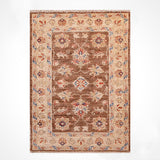
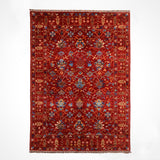

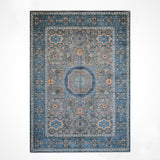
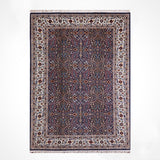




Would you like to create a colorful and fun space where your children can play safely and won't get hurt even if they fall? Our children's room rugs are designed exactly for this!
Children's Room Rugs


Children's rooms are where little ones grow, learn and play. The rugs used in these special spaces are more than a decorative element; they directly affect children's health, safety and development. For parents, choosing a children's room rug is an important decision that deserves careful thought. Every detail, from the rug's texture to its colour and from its material to how easy it is to clean, is very important for the child's comfort and safety. At Art Doku Halı, we understand parents' sensitivity on this and work with the vision of offering safe, healthy, comfortable and beautiful children's rugs to the highest standards.
Safety and Health Standards in Choosing a Children's Room Rug
Choosing a children's room rug is not a decorative preference but a critical investment in the child's health and safety. A rug's material, production process and features directly affect the child's risk of allergic reaction, the chance of injury in a fall and overall quality of life. Art Doku Halı adopts the highest standards in this area and offers parents reliable options.
Material Science and Its Effects on Children's Health
The materials used in children's room rugs are very important for both durability and health. Every material has its own advantages and disadvantages.
- Cotton: A natural fibre, cotton stands out for its soft texture and breathable structure. It is an option that doesn't harm children's sensitive skin and minimises allergy risk. Cotton rugs offer a comfortable surface especially for babies and, with their natural structure, contribute to indoor air quality.
- Wool: Wool rugs are considered one of the healthiest choices for children's and babies' rooms. Wool has natural anti-static properties; it doesn't build up static on the body and can even absorb the body's static. Natural wool rugs are antibacterial; they prevent bacteria forming and don't harbour them. It offers soft, comfortable use and can balance the humidity in the room. It doesn't burn or catch fire easily like synthetic materials. Even if small wool fibre particles are swallowed, they are easily dissolved by stomach acid and pose no health hazard. However, it is noted that natural wool rugs can cause allergies in some children. This shows that, despite wool's general benefits, individual sensitivities should not be ignored. There is a balance between wool being described as 'the healthiest' and the fact that it can cause allergies in some children. Being natural doesn't always mean being one hundred per cent allergy-free; individual reactions can vary. This highlights how important it is for parents to consider their children's allergic tendencies and choose not just by material type but anti-allergy-treated or certified products. This approach guides consumers towards a more informed, personalised choice.
- Polyamide: Rugs made of polyamide stand out for their antibacterial properties, preventing bacteria forming and protecting children's health from bad smells, mould and germs. It is also easy to clean and stain-resistant. It doesn't cause irritation or itching on contact with skin. It also has anti-static properties, preventing static build-up on the body. Contrary to the common belief that synthetic materials in general 'build up static on the body' and 'breed bacteria' , it is emphasised that polyamide has antibacterial and anti-static properties. This shows that not all synthetics are the same, that modern synthetic fibres can offer advanced properties and that harmful properties can be minimised by technological progress. So rather than generalising about 'synthetics', what matters is which synthetic material is used and with which properties. This shows more clearly the advantages of the modern synthetics in Art Doku Halı's product range.
- Comparing Synthetic and Natural Fibres: In general, natural fibres (cotton, wool) offer breathability and moisture balancing, while synthetic fibres (polyamide) can have advantages in durability, stain resistance and antibacterial properties. Both types of material can be suitable for children's rooms when they go through the right production and certification processes.
- The Place of Other Materials: Different fabric types such as acrylic, cashmere and knit can also be used in children's rugs. What matters is that the material doesn't harm the child's sensitive skin, is easy to clean and doesn't cause allergic reactions. While offering this variety in its product range, Art Doku Halı carefully assesses each material's compliance with children's health and safety criteria.
Managing Allergies and Hygiene: Anti-Allergenic and Antibacterial Rugs
Children's immune systems and airways are more sensitive than adults'. Rugs harbouring allergens and germs can be a risk to children's health. So anti-allergenic and antibacterial properties are very important when choosing a rug.
- The Importance of Anti-Allergenic Properties: Anti-allergenic models should be chosen especially for babies in their first 2 years. Anti-allergenic rugs should have a special texture designed with children's health in mind. These rugs are designed to minimise allergic reactions and make the time children spend on the floor safer.
- Preventing Bacteria and Germs: Children's rugs being antibacterial is one of the most important points. Materials such as polyamide prevent bacteria forming and protect against bad smells, mould and germs, keeping children's play areas hygienic.
- The Effect of Easy-to-Clean Surfaces on Hygiene: Stain-resistant, easy-to-clean rugs prevent allergens building up and provide a hygienic environment. Short-pile or flat-weave rugs make it harder for dust and allergens to build up in the rug, making cleaning easier and reducing allergy risk. Machine-washable rugs also offer a big hygiene advantage, allowing regular, deep cleaning. Art Doku Halı gives such practical, hygiene-friendly products a large place in its collection.
Physical Safety: Non-Slip Base and Impact-Absorbing Features
Children move around a lot while playing, run and may fall. A rug's physical safety features play a vital role in preventing accidents.
- The Critical Role of a Non-Slip Base: A non-slip base on children's rugs is one of the most important safety factors in preventing falls or injuries. A non-slip base keeps the rug fixed to the floor, offering a safe surface for children's energetic play. This feature is indispensable, especially for active children.
- The Impact-Absorbing Capacity of Rug Thickness: A rug of sufficient thickness and softness can protect a child in falls. Rugs designed with impact-absorbing features minimise injury risk by absorbing the impact of a fall. However, remember that very thick rugs can be a tripping hazard for children learning to walk; so rugs of medium thickness and softness can be chosen, offering both protection and freedom of movement.
- Heat and Sound Insulation: Rugs with good floor insulation absorb the cold from the floor in winter, giving the child a comfortable, warm play area. This keeps children from getting cold, especially in homes with cold floors. Noise-reducing rugs also absorb the sound children make while playing and running and keep the neighbours from being disturbed, letting the child have fun comfortably and without interruption. By keeping children from direct contact with the floor, rugs also help protect them from colds and illness, providing a healthy environment all year round.
Children's Room Rug Buying Guide
Choosing a children's room rug is not limited to safety and hygiene; it should also include aesthetic and functional elements that support the child's development, feed their imagination and complete the room's overall atmosphere. Art Doku Halı offers a wide product range for every age group and taste.
Choosing a Rug by Age: Suiting Developmental Stages
The child's age and developmental stage is a decisive factor in choosing a rug. The rug should suit the child's current needs and future development.
Babies (0-2 years): In the first 2 years, models that don't tire babies' eyes and are anti-allergenic should be chosen. A very soft, long-pile rug can be suitable so as not to harm the baby's sensitive skin, since babies spend a lot of time on the floor crawling or sitting. Round models can be more suitable for babies' rooms, and soft patterns contribute to developing the imagination. Since babies will spend a lot of time on the floor, it is suitable for the rug to cover the floor, cut the cold from it and offer a soft play area.
Pre-School and School-Age Children: For these age groups, highly durable, stain-resistant, easy-to-clean models are suitable. At this stage children are more active and play-focused. Rugs that offer the chance to learn while having fun are smart choices. Play rug options with letters, numbers, world maps or road patterns can give the child's play a new direction, contributing to mental development while making playtime more productive. Rugs like these support the child's creativity and desire to explore.
Gender-Specific or Neutral Design Approaches: For girls, rugs with doll or cartoon designs, pink or red tones and floral patterns can be chosen. For boys, rugs with cars, space themes or road patterns are popular. For older girls, pastel rugs can be chosen, as these tones create a calmer, more mature atmosphere. Neutral colours and patterns let the child's room be used for a long time and suit different decor styles, which means a long-term investment.
Choosing Size and Shape: Spatial Harmony and Functionality
Rug size and shape greatly affect the room's overall look and use of space. Choosing the right size and shape makes the room airier and more functional.
Sizing by Room Size: The rug's size will depend on the room's dimensions and the child's age. The rug should fill the space left by the room's furniture. Decide whether the rug will cover the whole room or highlight a specific area such as in front of the cot, a play corner or a reading area. This decision depends on how the room is used.
Standard Rug Sizes and Custom Production: Commonly used standard rug sizes are: 100x150 cm for small rooms, 120x180 cm for medium areas and 160x230 cm for large areas. At Art Doku Halı, with our custom production service we can make rugs in exactly the size and design you want for your room. This service offers ideal solutions where standard sizes fall short.
Things to Consider When Placing the Rug:
-
How Far It Goes Under Furniture: You should decide how far you want the rug to go under the furniture. Having the rug go under the furniture to a certain extent can create a cohesive look in the room.
-
Door Swing: Make sure the rug doesn't stop the door opening. This is important for both safety and practical use.
-
Walking Areas: Enough open space should be left around the rug. This lets children move freely and keeps the room looking airy.
-
Space at the Edges: Make sure the rug does not touch the room's walls or furniture. Leaving at least 10 cm around the rug's edges makes the room look larger and creates a neat look.
The Template Method: To visualise the rug's placement, you can make a template with newspaper, sheets or paper. An approximate size can also be found by laying rugs of different sizes from other rooms. This method helps you imagine how the rug will look in the room before buying.
Choosing the Shape: Whether the rug will be square or round should again be decided according to the child's age. If the area set aside for the rug is close to square, a round or square rug can be considered. But if the free area is rectangular, putting a round rug there can waste space and upset the room's balance.
Choosing Colour and Pattern: Supporting the Child's Imagination
A rug is not just part of the room; it is a special detail reflecting its warmth, style and personality. Colours and patterns directly affect the child's imagination and development and set the atmosphere of the room.
Vivid and Natural Colours: The colours used in the rug should be vivid, natural colours that don't fade. A calm space can be created with pastel tones or energy raised with vivid colours, contributing positively to the child's mood.
Popular Patterns and Themes: Special patterns that match the child's imagination should be used. Animal figures , sky themes, geometric patterns or educational letters, numbers, maps and road patterns with original patterns like these, the child's imagination can be brought into the room. Patterns like these make the child's play more interactive and contribute to learning.
Personalised Designs: Personalised designs can be created by adding the child's name or a favourite symbol to the rug. This turns the rug into a keepsake and adds a unique touch to the child's room, making them feel special.
Harmony with Room Decor: A children's rug chosen to match the curtains, bedding, furniture and wall decor completes the living space. Pastel, simply patterned rugs can be chosen for minimally designed rooms, while vivid tones and interactive patterns stand out for a colourful, energetic room atmosphere.
Effective Choices for Hiding Stains: Mid-tone colours and patterned rugs with high stain-hiding capacity can be a good choice. Patterns make small stains less noticeable, preserving the rug's good looks.
Seasonal Effects and Comfort: An Ideal Environment All Year Round
Rugs affect the overall warmth of the children's room, helping it stay more comfortable through seasonal changes. This shows that the rug is not just an aesthetic element but also serves as functional insulation.
Heat Insulation: Rugs that provide heat insulation in cold months absorb the cold from the floor, giving the child a comfortable, warm area. This creates an ideal setting especially for children to play or sit on the floor in winter, reducing risks such as colds.
Sound Insulation: Noise-reducing children's rugs absorb the sound little ones make while playing and running, providing sound insulation. This both increases acoustic comfort in the room and keeps the neighbours from being disturbed, contributing to overall peace at home.
Art Doku Halı Children's Room Rug Collection
In the children's room rug category, Art Doku Halı has a wide collection that meets all parents' expectations, offering safety, health, beauty, functionality and durability together. Every product is made from carefully selected materials in line with international standards. The brand acts in the knowledge that children are the most precious beings and designs every rug with this in mind.
The Collection's Core Values
The Art Doku Halı collection is built on the following core values:
-
Safety: With a non-slip base, impact-absorbing features and non-toxic materials, the child's safety always comes first. The products are designed to withstand children's energetic play.
-
Health: Children's health is protected by anti-allergenic, antibacterial and chemical-free production processes. Products backed by international certificates contribute to indoor air quality.
-
Beauty: Vivid colours and original patterns that enrich the child's imagination and bring joy to the room. The collection brings together modern and classic styles.
-
Functionality: Practical features such as easy cleaning, stain resistance and washability make parents' lives easier. These features aim to offer products suited to heavy use.
-
Durability: Made from long-lasting, quality materials that can withstand children's energetic play. Art Doku Halı products are designed to be used safely for years.
Sort