


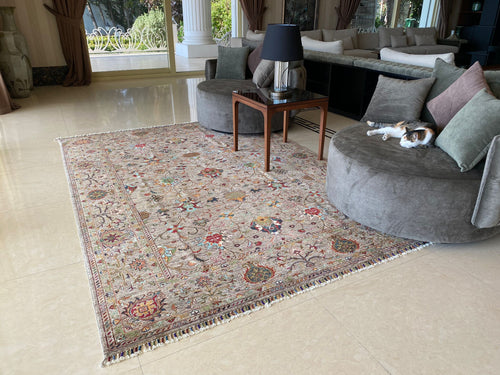
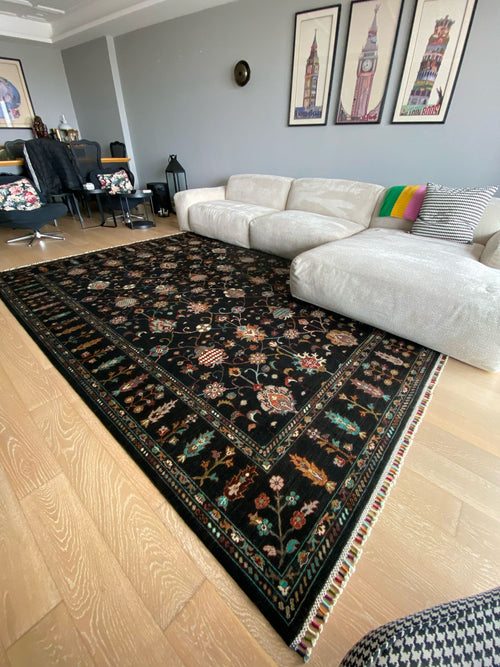

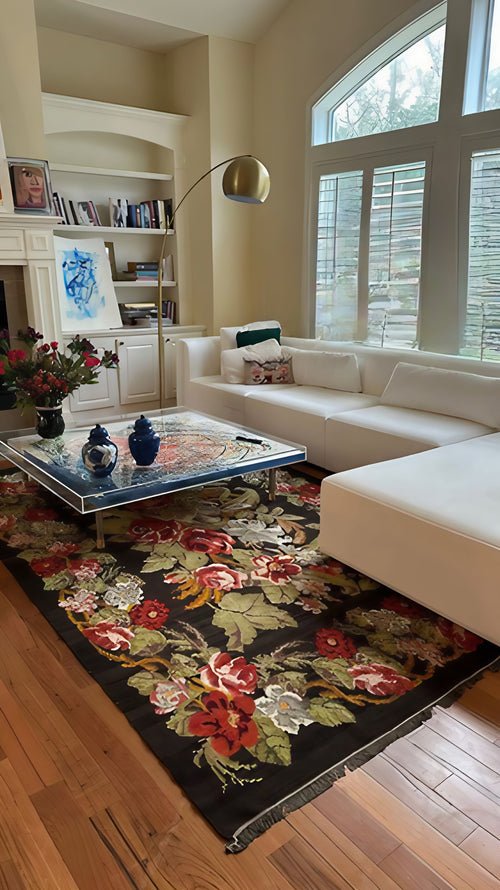
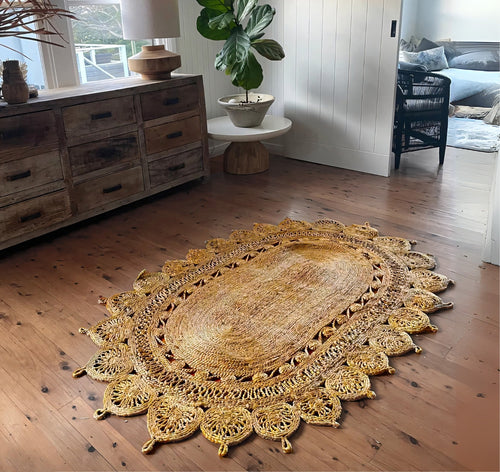
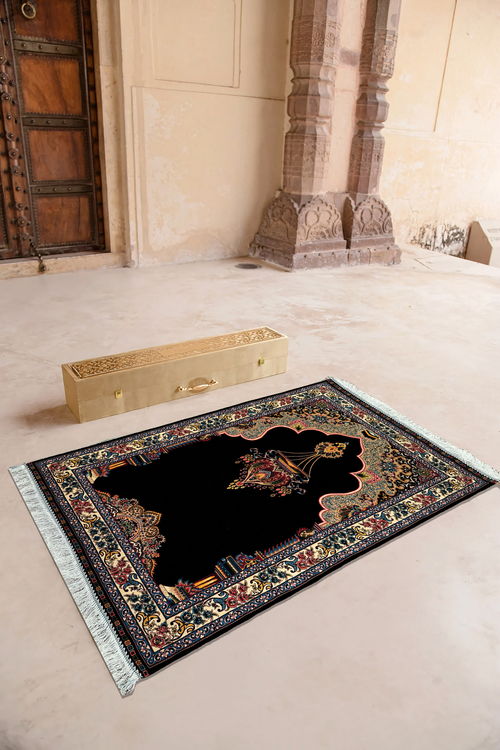
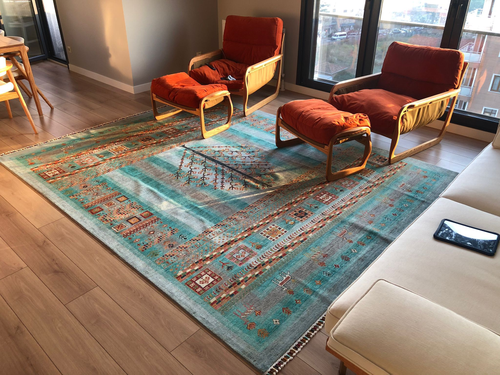

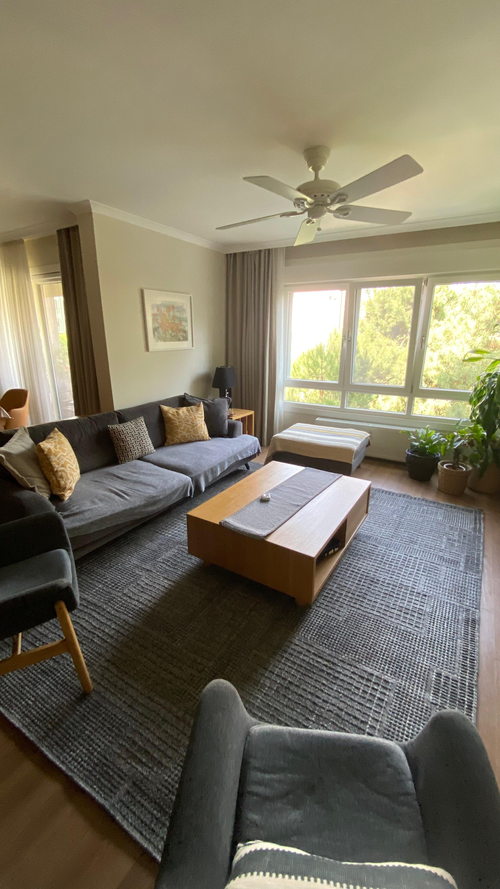
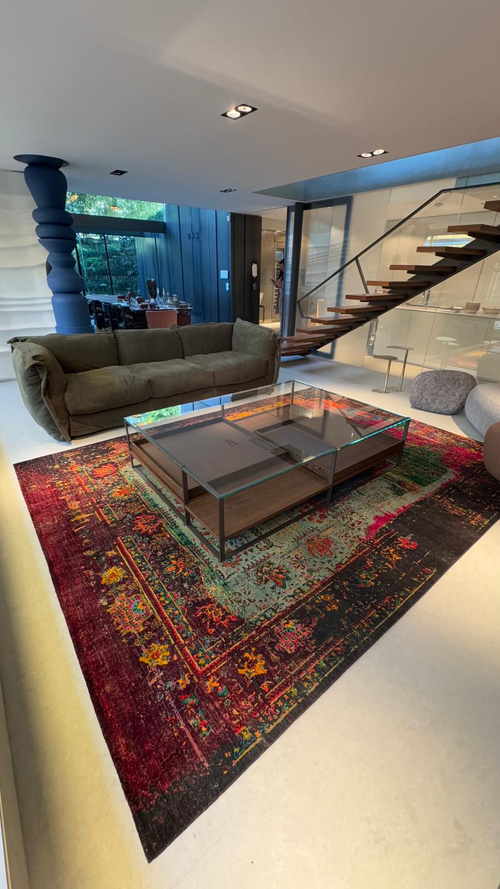
Doğal yapısıyla öne çıkan yün halılar, yumuşak dokusu ve yüksek dayanıklılığı sayesinde uzun ömürlü bir kullanım sunar. Isı yalıtımı ve konfor sağlayan bu halılar, yaşam alanlarına hem sıcaklık hem de doğal bir şıklık kazandırır.
YÜN HALILAR


Wool rug models combine traditional hand-weaving techniques with modern designs, adding elegance and warmth to your home. With their natural and durable texture, wool rugs offer longevity and create an elegant atmosphere in any space. Hand-woven wool rugs appeal to a variety of styles with their unique patterns and colors, meticulously crafted by master craftsmen. Wool rug prices vary depending on the quality of the materials used and the craftsmanship. Discover hand-woven wool rug models that combine aesthetics and comfort at high quality and affordable prices. Unique and elegant options that will add value to your home await you.
What is a Hand-Woven Wool Carpet?
A hand-knotted wool rug is typically made from 100% natural wool yarns , hand-knotted by craftsmen on traditional looms. Each rug boasts unique patterns and textures thanks to the weavers' years of experience and creativity. This means no two hand-knotted wool rugs are exactly alike. This unique craftsmanship gives the rug its status as a work of art, as every motif and color is meticulously crafted by hand. The fibers used in hand-knotted wool rugs are typically natural materials such as wool, cotton, or silk . These materials make them warm, soft, and durable. A wool rug creates a warm feeling underfoot, adding a welcoming atmosphere to your space, while also adding character to your home with its traditional motifs.
For example, carpets woven for centuries in regions like Afyon, Kayseri, and Milas in Anatolia reflect a rich cultural heritage, where each motif and color carries a distinct meaning. To identify a genuine hand-woven carpet, look at the back; if the knots and thread arrangement on the back are asymmetrical and irregular , this is a sign of a genuine handmade carpet. In contrast, the back of machine-made carpets is usually regular and symmetrical. You can see the meticulous craftsmanship in the edges or pattern details of a hand-woven carpet, noting the presence of threads of varying thicknesses and vibrant color transitions achieved with root dyes.
The History and Cultural Significance of Hand-Woven Wool Carpets
The roots of hand-woven carpets date back to the nomadic Turkic societies of Central Asia. This weaving tradition, passed down through generations for centuries, has diversified across different geographies, creating today's carpet culture. From the motifs of Uşak carpets in Anatolia to the red-and-blue color harmony of Persian rugs , from the classical textures of Afghan and Shirvan rugs to the geometric patterns of Kayseri and Malatya, there are many regional hand-woven styles. For example, Milas hand-woven carpets are known for their traditional "çintemani" (a type of 'chintemani') and geometric motifs, while Isparta carpets are more famous for their patterns depicting love and evil-eye beads. Hand-woven carpets, where each motif and color reflects the lifestyle and beliefs of the people who weave them, are therefore not only decorative items but also cultural heritage and works of art.
Throughout history, hand-woven carpets have found widespread use, from Ottoman palaces and Anatolian mansions, from long-established family tree ornaments to modern design houses. Hand-woven carpets also embody the artistic sensibility, economic status, and social symbols of the period. Rare regional models, in particular, appreciate in value over time and are purchased at high prices by collectors, transforming a hand-woven carpet beyond its functional decorative object into a financial investment.
Hand-Woven or Machine-Made Rug? Key Differences
In everyday life, many people often find themselves comparing hand-woven and machine-made carpets. The key differences between hand-woven and machine-made carpets are:
-
Production Process: Hand-knotted rugs are entirely handmade, with craftsmen individually knotting or weaving them on a carpet loom. Machine-made rugs, on the other hand, are mass-produced on automated looms. Therefore, while every detail in hand-knotted rugs reflects the craftsman's skill, the patterns in machine-made rugs are standardized.
-
Material: Natural fibers (wool, cotton, silk) are generally preferred for hand-woven rugs. Machine-made rugs often use synthetic fibers such as polyester and acrylic. Natural materials provide softness, warmth retention, and breathability, while synthetics are more cost-effective and stain-resistant.
-
Durability: A high-quality hand-woven wool rug can last for generations when properly cared for. The high knot density and natural wool's elasticity make it long-lasting. Machine-made rugs, on the other hand, are generally moderately durable and can deform over time.
-
Price and Aesthetic Value: Hand-knotted rugs command a higher price than machine-made rugs due to the labor-intensive production process and their rarity. However, this price difference translates into unique design and collectible value. For example, a hand-knotted rug with a special pattern can gain antique value over time, becoming an investment. Machine-made rugs, on the other hand, are more affordable and offer a wide variety of patterns and colors, making them attractive to budget-conscious buyers.
-
Ease of Maintenance: Machine-made rugs generally require more maintenance; most models are water-washable and stain-resistant. Hand-woven wool rugs, on the other hand, require specialized cleaning (details will be provided below). In this regard, machine-made rugs may be more practical for everyday use, but the long-term comfort and aesthetics of hand-woven rugs are worth the price.
If you're looking to add a long-lasting, artistic touch to your home, a hand-woven wool rug is an ideal choice. For those seeking a natural and unique atmosphere, hand-woven rugs are essential. However, if you're looking for a more affordable, quicker solution and prioritize variety in your décor, machine-made rugs are also worth considering.
Advantages and Features of Hand-Woven Wool Carpets
Hand-woven wool rugs offer numerous advantages. Their key features and benefits include:
-
Unique Designs and Artistic Value: Each hand-woven rug is handcrafted, making it unique. The motifs, created with the expertise of the craftsmen, range from classic Ottoman patterns to contemporary geometric patterns. This means that with a hand-woven rug, you'll add a unique work of art to your home.
-
High Quality and Durability: Made from natural fibers (especially wool), these rugs will last for generations with proper care. High-density woven models maintain their original beauty for many years. The elastic nature of the wool fiber makes the rug easy to iron, meaning it will recover even if furniture is placed on top.
-
Natural Materials and Health-Friendly Construction: Hand-woven rugs are typically made from natural materials like wool, cotton, and silk . These materials are both environmentally friendly and healthy. Because they contain no synthetic materials or chemicals, they are especially ideal for those with allergies; wool fibers regulate humidity, keeping the environment fresh and healthy. Wool rugs are known for their natural air-purifying properties, improving your home's air quality and creating an anti-allergenic floor.
-
Thermal and Sound Insulation: The thick texture of a wool rug provides warmth to the feet and reduces heat loss through it, even on cold winter days. Wool's natural elasticity also contributes to sound insulation, allowing you to walk on the rug without hearing the loud noises of your downstairs neighbors. This feature is especially advantageous in apartments.
-
Timeless Investment and Appreciation: Quality hand-woven rugs appreciate in value over time. Antique and rare models are highly sought after by collectors. Therefore, a hand-woven rug is not only a decorative piece but also a long-term investment.
-
Easy Cleaning and Maintenance: Hand-woven wool rugs tend to stay clean by nature. High-quality knots prevent dirt and stains from penetrating deeply into the fabric; regular dusting and, if necessary, dry cleaning can ensure longevity. The patterns and varying textures on the rug's surface blend naturally with any decor.
-
Environmentally Friendly Production: The hand-woven rug production process relies largely on traditional methods, reducing energy consumption. The use of natural fibers and root dyes ensures production that does not harm the ecosystem. Therefore, hand-woven wool rugs are an important choice for environmentally conscious consumers.
All of these advantages transform hand-woven wool rugs from mere decorative objects into functional, healthy, and aesthetically pleasing home furnishings . Families with allergies, in particular, can confidently benefit from the anti-allergenic properties of natural wool rugs.
Materials and Workmanship Used in Hand-Woven Wool Carpet
The most important factor determining the quality of a hand-woven wool rug is the choice of material and craftsmanship . Pure wool is typically used in these rugs; sometimes the yarn blend may also include cotton or silk. Wool offers a warm and soft texture. Silk provides a more lustrous and delicate appearance, while cotton yarn adds lightness. Each of these materials offers a different level of ease of use and aesthetic value to the rug.
The yarns are carefully separated from the fleece , a part of the long hair, before being cleaned and spun. This process enhances the durability of pure wool. Hand-woven rugs often use natural dyes derived from plants, roots, or other organic sources, giving the rug vibrant and deep colors. Traditional methods, such as indigo for navy blue and madder for red, are both visually appealing and provide long-lasting color. Avoiding chemical dyes makes the rug safer for both the environment and the user's health.
The most commonly used technique in the weaving process is the Turkish knot . This knotting method allows each fiber to be wrapped twice around the warp threads, creating a tight structure. The resulting carpet, thanks to its tight weave, is long-lasting and durable. Master weavers take great care in placing each loop individually; tools called shuttles are used in this process. The high number of warp and weft threads directly affects the quality of the carpet. Carpets with a high weave density are more durable and retain their shape over time.
How to Choose a Hand-Woven Wool Carpet?
There are a few important points to consider when purchasing a hand-woven wool rug. By choosing based on the following criteria, you can find the rug that best meets your expectations:
-
Material Quality: The quality of the wool used in the carpet's yarns is crucial. Choose long-fiber, high-fleece sheep's wool or durable goat's wool. If the yarn is entirely wool, ensure it's pure wool ; cotton or synthetic-added yarns can shorten the carpet's lifespan. If the carpet contains a blend of materials like silk, check the texture with your fingers to determine the quality; silk adds extra shine and smoothness.
-
Pattern and Color Harmony: The pattern and color of the rug you purchase should be compatible with the space where it will be placed. If you enjoy traditional Ottoman, Persian, or Anatolian motifs, you can choose vibrant colors like red, blue, or orange. For more modern decor, neutral tones like cream, beige, and gray can be preferred. For example, if you have light-colored furniture, a darker rug will create balance, and if you have dark-colored furniture, a lighter rug will create balance. Remember, a rug can be the centerpiece of a space , so it's important to choose a pattern and combination that won't overwhelm the composition.
-
Size and Dimensions: The size of the rug should be appropriate for the space where it will be placed. For a large living room, an 8-10 m² rug that will cover most of the floor is ideal, while a 2-4 m² rug may be sufficient for a small study or entryway. By placing the rug under your table or coffee tables, you can make the space appear larger. For example, if you have a large dining table in your living room, placing a rug under the table can both define the space and emphasize the color. When choosing the size, be sure to measure the room where the rug will be placed and imagine how the color will coordinate with the existing furniture.
-
Craftsmanship and Knots: Check the craftsmanship by looking at the back of the rug. Knots in hand-woven rugs tend to be irregular and unsymmetrical. If you see very dense, uniform lines on the back, with interlocking patterns, it's likely a machine-made rug. Also, pay attention to the rug's weave density: tightly woven rugs have denser loops and retain their shape longer. It's also important to check the quality of the yarns, their fluffiness, and the strength of the edge stitching.
-
Budget and Investment Value: Hand-woven wool rugs are generally more expensive than machine-made rugs. However, this is due to the labor involved and the cost of natural materials. If you're looking for a long-lasting and aesthetically pleasing piece, the cost is worth it; with proper care, your rug will not only add elegance but also gain value over time. If your budget is limited, consider smaller sizes or models that can be used both as a rug and a prayer mat, such as a prayer mat.
-
Verify the Origin: If possible, inquire about the rug's region of origin and the manufacturer. Knowing whether it's an authentic Uşak or Persian rug provides a clue about its quality. Furthermore, purchasing your hand-woven rug from reputable stores or certified producers guarantees authenticity and quality. For example, specialized companies like Art Doku Halı provide information about their rugs' hand-woven certifications and production regions, ensuring safe shopping.
By considering these criteria, you can choose a hand-woven wool rug that suits your space and needs . Considering your budget, style, and space, and taking the necessary measurements, you can choose a tightly woven model made from natural fibers. Remember, purchasing a hand-woven wool rug is not just an accessory, but a thoughtful investment and a future-oriented choice.
Hand-Woven Wool Carpet Maintenance and Cleaning
The life and appearance of hand-woven wool rugs can be extended with regular and proper care. Here are some easy-to-implement yet effective care tips:
-
Dusting and Vacuuming: Vacuum your carpet weekly with a soft-bristled vacuum cleaner. Avoid using overly harsh brushes, as this can damage the carpet's texture. Dusting allows the wool to breathe, keeping the carpet vibrant. It's helpful to reduce the suction power on a small area before vacuuming.
-
Stain and Spill Cleaning: Spilled tea and coffee stains on the carpet should be cleaned immediately. First, blot up any excess liquid with a clean cloth and gently wipe with a damp cloth containing wool carpet shampoo or mild soapy water. Never rub or immerse the carpet in water. Lightly wetting the stained area and removing it will provide better results. Once the stain is removed, dry it naturally.
-
Rotate Use: It can be helpful to rotate or reposition your rug every few months to prevent repeated stress on the same spot. This will distribute the wear evenly and extend the life of your rug.
-
Professional Cleaning: At least once a year, take your carpet to a professional carpet cleaning service. Deep cleaning removes dirt and dust from between the fibers. Professionals clean using low heat and special detergents suitable for wool carpets. High heat and harsh chemicals should be avoided, as they can damage the carpet.
-
Ventilation and Humidity Control: Prolonged exposure to air can cause moisture. It's beneficial to occasionally air your carpet in cool, dry weather. Excessive moisture can lead to mold and unpleasant odors, so leave your carpet outdoors or in a well-ventilated room occasionally, especially during the summer.
-
Using Underlayment: Place a thin, non-slip underlayment under your rug. This will prevent the rug from shifting, reduce wear and tear, and keep it smoother for longer.
-
Natural Oil Protection: Occasionally spraying a little lanolin onto your carpet maintains the elasticity of wool fibers and restores their natural shine. Using these sprays in appropriate proportions can extend the life of your carpet.
In general, gentle care and professional cleaning will ensure your hand-woven wool rug maintains its comfort for years to come. The best approach is to minimize detergent use, avoid high temperatures, and seek professional help when necessary. Proper care will preserve the beauty and texture of your wool rug for many years to come.
Areas of Use of Hand-Woven Wool Carpets and Their Contribution to Decoration
Hand-woven wool rugs add authentic warmth and elegance to any space. These rugs offer a variety of designs to complement both traditional and modern interiors. Here are some of the ideal uses for hand-woven wool rugs:
-
Living Rooms: Large, patterned, colorful hand-woven rugs can be the focal point of a living room. A large hand-woven rug placed under your living room sofa will both soften the floor and add character to the decor. Bright colors can be chosen to add warmth; for example, deep reds or blues are often used in classic living rooms. If you have light-colored walls, creating a color contrast with your rug will add depth to your space.
-
Bedroom: Hand-woven rugs placed at the foot of your bed or on either side of it create a soft, warm surface for your feet to touch when you wake up at night. Lightly patterned, less complex rugs are ideal for the bedroom; this allows for a color harmony between the rug and the bedspread. Thanks to their natural heat-retention properties, hand-woven rugs keep your feet warm, especially in winter.
-
Bus Terminals and Corridors (Runner): Hand-woven rugs are ideal runners for corridors and entryways. Thin and long designs can be used to suit the scale of the corridor. Their natural fibers and dense weave ensure durability, even in high-wear areas. You can also increase safety by using a non-slip underlay.
-
Study Room or Office: Choose hand-woven rugs with geometric or nuanced patterns to brighten up the simple atmosphere of living spaces like fireplaces and workspaces. If you're looking for year-round comfort, you can benefit from the thermal insulation of wool rugs.
-
Small Prayer Rugs: Hand-woven prayer rugs are ideal for use under coffee tables or single cushions. These rugs are both decorative and versatile; they can be hung on the wall and displayed like a painting. Smaller hand-woven rugs add vibrancy to children's rooms or study areas.
-
Collectibles and Decorative Pieces: Some hand-woven rugs are so unique and rare that they can even be used as tapestries or works of art. Ottoman rugs with antique motifs or unique patterns from historical regions, in particular, add an extra oriental touch to contemporary living rooms. Such rugs also function as decorative pieces.
Hand-woven wool rugs offer the opportunity to combine traditional motifs with modern minimalism. For example, a colorful Anatolian-patterned rug in a white living room will create contrast, while a cream-toned rug will complement dark furniture. When choosing colors and patterns to complement the upholstery, be sure to balance the rug with the wall colors, upholstery fabrics, and accessories in your decor. Choosing the right rug will make the space appear larger and more inviting.
Frequently Asked Questions
Q: Why are hand-knotted wool rugs more expensive than machine-made rugs?
A: Because every stitch in hand-woven rugs is hand-knitted, labor costs are high. Furthermore, the yarns used are generally made of precious natural materials like pure wool. This labor and high-quality materials make hand-woven rugs more durable and aesthetically pleasing than machine-made rugs; therefore, the price difference translates into an investment.
Q: What are the main differences between machine-made rugs and hand-woven wool rugs?
A: In short, hand-knotted rugs are unique and durable, made from natural materials; machine-made rugs, on the other hand, are cheap, mass-produced, and made from synthetic fibers. Hand-knotted rugs make each rug unique and increase in value over time; machine-made rugs offer a wider variety of patterns and a more affordable price. In terms of durability, a high-quality wool hand-knotted rug lasts much longer than machine-made rugs.
Q: How to clean a hand-woven wool rug?
A: Gently vacuum your carpet regularly and wipe it with a damp cloth several times a month. For large stains, or once a month, it's best to take your carpet to a professional dry cleaner. Avoid high heat and harsh chemicals when cleaning. Choose a wool carpet shampoo or pH-balanced wool detergent; if stains occur, treat with gentle movements and gently rinse with clear water.
Q: What should I use under a hand-woven rug?
A: It's recommended that you place a non-slip mat under your rug. This will prevent it from slipping, provide safer use, and prevent damage to the surface. The mat will also help keep your rug smoother for longer.
The Finest Hand-Woven Wool Rugs Await You at Art Doku Halı!
Hand-woven wool rugs, with their natural beauty, aesthetic appeal, and timeless value, can become an indispensable part of your home. Choosing one that considers all the points discussed in this guide will ensure you have a rug that will provide years of satisfaction. Don't neglect the care of your wool rug; regular cleaning and careful use can extend its lifespan.
Hand-woven wool rugs are not just decorative pieces; they stand out as special pieces that add warmth, aesthetic appeal, and timeless value to your home. Each one, crafted by master craftsmen, these rugs elevate your living spaces from the ordinary and create a unique atmosphere. Discover Art Doku Halı's carefully selected hand-woven wool rug collection to reshape the spirit of your home. Browse our category now, easily choose the rug that best suits your style and space, and own this unique work of art you'll enjoy for years to come.


